
In the Absence of State Regulation, Local Governments Look to Restrict Kratom
May 11, 2026
by
Linda Gallagher
Category:
Legislative Body
,
Drug Possession and Use
Editor's note: Since the publication of this blog, the Drug Enforcement Administration issued Schedules of Controlled Substance: Temporary Placement of 7-Hydroxymitragynine Above a Specified Threshold in Schedule I on July 6, 2026, providing 30 days’ notice of the intent to temporarily add 7-hydroxymitragynine (7-OH: a kratom-sourced alkaloid) above a specific threshold to Schedule 1 of the Controlled Substances Act (CSA).
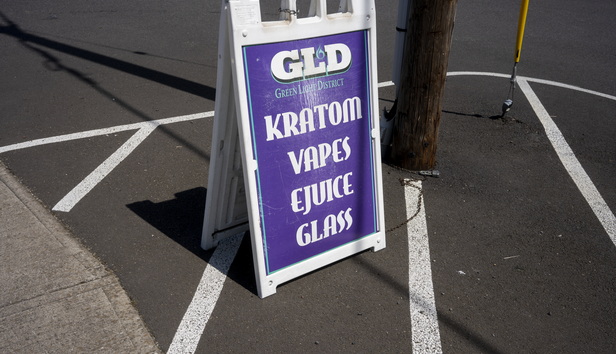
As kratom gains visibility across our state and is readily available to purchase in convenience stores, smoke shops, and online, many local governments are considering bans or other regulation of kratom products. This blog discusses what kratom is, how some cities have already enacted ordinances banning kratom, and offers suggestions for future consideration of kratom regulations.
What Is Kratom?
According to the U.S. Food and Drug Administration (FDA) and HB 2291's legislative history, Kratom is a psychoactive plant-based substance derived from a tropical tree native to Southeast Asia. Kratom’s scientific name is mitragyna speciosa, and it is often marketed as a dietary supplement and wellness product. Products containing kratom are readily available, especially online or in convenience stores where they are typically sold alongside tobacco products.
Traditionally, kratom leaves have been used for medicinal and stimulant properties. Kratom leaves are often ground into a powder form or distilled into an extract, and then it can be smoked, brewed with tea, or placed into capsules.
The kratom available today contains alkaloids that are in higher concentrations when chemically processed into an extract. Kratom extracts have varying concentrations and can be taken as a liquid injection, enhanced powders, resins or pastes, or capsules. The two most studied kratom-sourced alkaloids are mitragynine and 7-hydroxymitragynine (7-OH).
Street slang names for kratom include “Natural O,” referencing its opioid-like effects, “herbal speedball,” because of its combined stimulant and sedative properties, and “gas station heroin,” referring to where it is often purchased and its opioid-like effects.
Effects of Kratom Use
The symptoms and effects of kratom use vary based on several factors including dosage, strength, and the individual user. It is known to produce both stimulating effects, such as increased energy, alertness, and elevated heart rate, as well as opioid-like effects, such as relaxation, pain relief, and sedation.
One common use of kratom is to relieve symptoms of withdrawal from other opioid drugs, including heroin and fentanyl. It is also used for relief of cough, anxiety, depression, and other conditions.
Kratom also has many of the same significant concerns as prescription opioid drugs. Adverse side effects vary and may include nausea, vomiting, chills, sweating, itching, loss of appetite, hallucinations, seizures, dizziness, and addiction.
Federal and State Regulation
Kratom is not federally regulated and remains unscheduled by the U.S. Drug Enforcement Agency (DEA), leaving regulation to individual states. See, DEA KRATOM (October 2025). The FDA has warned consumers to avoid using products containing kratom and has not approved kratom for medicinal use.
Internationally, kratom is illegal in about 20 other countries including (but not limited to) Australia, Denmark, Japan, Russia, Singapore, and Sweden.
During its most recent session in 2026, the Washington State Legislature considered but did not pass several kratom-related bills, including HB 2291—also known as the Kratom Consumer Protection Act (KCPA). This bill would have restricted kratom use to those 21 and over and would have regulated the production and retail sales of Kratom products in a manner similar to the regulation of cannabis products.
This bill also had a state preemption clause that would have prevented local bans or other regulations. As of this writing, there are no state laws that prohibit or regulate kratom under the authority of the Washington State Liquor Cannabis Board (LCB) or otherwise.
Authority for Local Government Regulation and Examples of Kratom Bans
In Washington, cities and counties have broad police powers to regulate public health and safety based on the state’s constitutional framework, including Article XI, Section 11:
Any county, city, town or township may make and enforce within its limits all such local police, sanitary and other regulations as are not in conflict with general laws.
Types of kratom regulations may include licensing, age restrictions, labeling, testing, warnings, zoning, and location restrictions, as well as outright bans prohibiting kratom sales entirely within city or county limits.
So far, locally enacted regulations have been in the form of bans on the sale, distribution, or advertising of kratom products. We are aware of at least four cities with newly enacted kratom ban ordinances (reviewed below), and more are considering similar action.
Public health and safety reasons for these bans include potential dangers, risks for youths, addiction, and the unregulated nature of kratom.
Spokane
Recently, the Spokane City Council passed Ordinance C36820, Spokane Municipal Code (SMC) Chapter 10.83, Sale or Distribution of Kratom Products Prohibited, effective April 8, 2026, banning all kratom sales in the city by making sales a civil infraction. Retailers found in violation could lose their business license.
There are no criminal penalties, and possession is not prohibited. Spokane Municipal Code Section 10.83.010 provides:
It is the purpose and intent of this ordinance to protect the public health and safety of Spokane residents by prohibiting the sale and distribution of kratom (Mitragyna speciosa) products to all individuals, including any products containing 7-hydroxymitragynine, mitragynine, or an extract, synthetic alkaloid, or synthetically derived compound.
The local ban on kratom sales or distribution in Spokane has a “sunset clause” indicating it will remain effective until such time as it may be preempted by state or federal law. See SMC 10.83.040.
Spokane Valley
The City of Spokane Valley passed Ordinance 26-003 (not yet codified), effective March 16, 2026, prohibiting the sale, distribution, and advertisement of any kratom product within city limits.
Similar to the Spokane ordinance, civil penalties are authorized for violations, and business licenses may be at risk in the event of violations. The city also planned to engage in a 30-day education and outreach period with retailers before enforcement begins.
Cle Elum
The Cle Elum City Council adopted Ordinance No. 1709 on October 14, 2025, which established an emergency moratorium on the sale and distribution of Kratom within city limits. This temporary ban was later terminated in January 2026 after Ordinance No. 1719 was passed, adding Chapter 8.70 to the municipal code and permanently banning kratom sale and distribution.
Othello
Most recently, the Othello City Council passed Ordinance 1647, effective May 1, 2026, banning the sale, advertisement, and distribution of kratom and 7‑OH products. It illegal in Othello to sell kratom or 7‑OH products, and to advertise or distribute kratom in any form, including powders, capsules, pills, beverages, or extracts. Violations carry a $250 civil infraction per offense, and businesses may have their city license revoked.
Future Considerations
In addition to the city ordinances listed, other jurisdictions have considered or are considering local regulation of kratom. For those looking at whether and how to address kratom sales and use, here are several suggestions:
- Consult with your city attorney or prosecuting attorney for legal advice about what is right for your community.
- Listen to your stakeholders, including law enforcement, businesses, public health authorities, and the public (those who use kratom and support its continued sale as well as those opposed to its availability).
- Consider prompt and careful local action.
- Keep in mind that the state legislature may enact statewide regulations in the future that could potentially preempt local regulations.
- Consider coordinating regionally with other similarly situated jurisdictions.
Lastly, please share your kratom ordinances and policies with MRSC for our sample document library.
Resources
For general information on the regulation of illegal drug use, see MRSC’s webpage Drug Nuisances. Also see the following articles:
MRSC is a private nonprofit organization serving local governments in Washington State. Eligible government agencies in Washington State may use our free, one-on-one Ask MRSC service to get answers to legal, policy, or financial questions.

About Linda Gallagher
Linda Gallagher joined MRSC in 2017. She previously served as a Senior Deputy Prosecuting Attorney for King County and as an Assistant Attorney General.
Linda’s municipal law experience includes risk management, torts, civil rights, transit, employment, workers compensation, eminent domain, vehicle licensing, law enforcement, corrections, and public health.
She graduated from the University of Washington School of Law.


