
How Local Governments Are Responding to Algorithmic Pricing
October 19, 2026
by
Alicia Bones
Category:
Information Technology
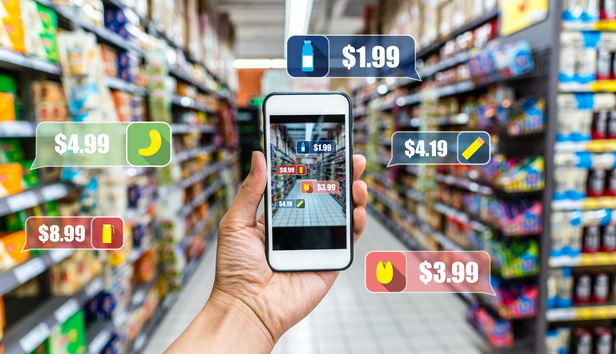
On September 22, 2026, the Seattle City Council voted 7-2 to bar large grocery retailers from using shoppers' personal data to set prices. Mayor Katie Wilson then signed the ordinance, which takes effect September 1, 2027.
Specifically, the Fair and Transparent Pricing policy bans large grocery chains and delivery services from using identifying information, including personal characteristics, browsing history, and social media activity, to influence the price an individual pays for groceries.
This type of individualized pricing is made possible by dynamic pricing and personalized offers. It goes by two names: algorithmic pricing or (according to its critics) surveillance pricing.
In this blog, I'll explain the concept of algorithmic pricing and share how three local governments in Washington and New York are approaching it.
What Is Algorithmic Pricing?
With algorithmic pricing, the same product can cost different customers different amounts.
To set these prices, retailers use loyalty card data, online activity, and profiles bought from data brokers.
In January 2025, the Federal Trade Commission released initial findings showing that retailers can personalize prices using many kinds of consumer information, including demographics, past purchases, and even how a shopper moves a mouse across a webpage.
A December 2025 Consumer Reports investigation found that some grocery prices differed by "as much as 23 percent per item from one Instacart customer to the next." However, Instacart says it didn't use personal data to set these prices; instead, it randomly sorted shoppers into price groups to test how much they would pay.
In physical grocery stores, though, there is no evidence yet that digital shelf tags show different shoppers different prices. Instead, chains such as Kroger and Albertsons send loyalty members digital coupons tailored to each shopper, which changes what each person ends up paying.
According to Seattle's ordinance 127515, cameras, sensors, smartphone tracking, and digital shelf tags could help retailers change prices in physical stores. For instance, Avigilon, a security camera vendor, says facial recognition can estimate a shopper's age and gender to deliver "personalized offers," and can recognize loyalty members as they walk in so retailers can draw on their "preferences and purchase history."
Local Government Initiatives
Seattle, New York City, and Erie, NY, have all banned use of algorithmic pricing.
Seattle bans using personal data to set prices
The Fair and Transparent Pricing policy doesn't apply to every mom-and-pop store in the city. Only large grocery chains with 20 or more stores worldwide, box stores with grocery sections, and delivery companies are covered.
Starting September 1, 2027, stores like these in Seattle cannot set an individual's price using personal data. Coupons cannot be targeted using personal data, and loyalty discounts must go to all members or be tiered only by past purchases, with the criteria disclosed to shoppers.
State law does not prevent retailers from deploying algorithmic pricing. The Washington State Legislature considered HB 2481 on the same topic in 2026, but the bill stalled in the House Appropriations Committee.
Supporters say algorithmic pricing could be used to drive up prices, but opponents worry the policy will hurt discounts. Amanda Dalton, president and CEO of the Northwest Grocery Retail Association, told KUOW that retailers shouldn't be allowed to use shoppers' personal data to charge them more. But, she said:
I think the question that Seattle is struggling with is: Should information about what you buy also be prohibited from being used to help you save money? And that's where we think the ordinance needs to be fixed.
Councilmember Maritza Rivera said in a statement she supported banning algorithmic pricing but added:
I would have liked to have seen legislation that banned algorithmic pricing while ensuring loyalty programs wouldn't be impacted. It's now very possible those programs will go away, and groceries could become even more expensive.
Councilmember Alexis Mercedes Rinck, one of the ordinance's sponsors, told KUOW the city wanted to act now instead of trying to reverse these practices after the fact:
The question is therefore not whether this technology is possible, it's whether Seattle establishes rules before these experiments become standard practice and much harder to unwind.
New York City requires disclosure
A 2021 New York City ordinance requires businesses to disclose biometric collection, according to Next City. Because of that rule, Wegmans posted signs in city-based stores telling shoppers their face, eye, and voice data could be gathered, Gothamist reported. Separately, a New York State law that took effect in November 2025 requires a label on prices set by algorithms using personal data, according to Consumer Reports.
Disclosure rules can bring hidden practices to light, as the Wegmans case shows. New York City's consumer protection agency told Gothamist it can't take action against businesses that ignore the city's law. Disclosures also do not explain how a price was set.
Erie County bans biometric collection
In Erie County, New York, the Biometric Transparency and Privacy Act, signed May 26, 2026, "prohibits private businesses from collecting, using, retaining, or selling biometric identifiers, including facial recognition data, in most commercial settings," Next City reports. Fines reach $5,000 a day. Government agencies and financial institutions are exempt.
As Next City reports, Erie County Legislator Lawrence Dupre began with a disclosure bill but decided it fell short: "A ban was the right response because the data itself is the danger."
However, the act covers only biometric data, not loyalty, online, or broker data.
Choosing an Approach
Seattle's model restricts how data affects prices, New York City's requires businesses to disclose biometric collection, and Erie County's prevents certain data from being gathered. Some, including Reason magazine, argue there isn't yet enough evidence of harm to justify a ban.
Even the Federal Trade Commission, in an August 2026 draft policy statement, said "the extent to which businesses currently use personalized pricing is not well understood, and the effects of personalized pricing on consumers are unclear." Seattle's City Council central staff also found it "difficult to ascertain whether the limitations on personalized discounts would result in a net cost increase for consumers."
Erie County Legislator Lawrence Dupre told Next City, "A lot of communities are waiting for the state legislature or Congress to act, and that wait could take years."
For now, local governments may be the ones setting the rules. Those interested in addressing algorithmic pricing should consult their attorney about their legal authority and which approach, if any, fits their community.
MRSC is a private nonprofit organization serving local governments in Washington State. Eligible government agencies in Washington State may use our free, one-on-one Ask MRSC service to get answers to legal, policy, or financial questions.


