
Planning for Summer Events: World Cup Edition
April 29, 2026
by
Leah LaCivita
Category:
Emergency Management
,
Gift of Public Funds
,
World Cup 2026
,
Special Events
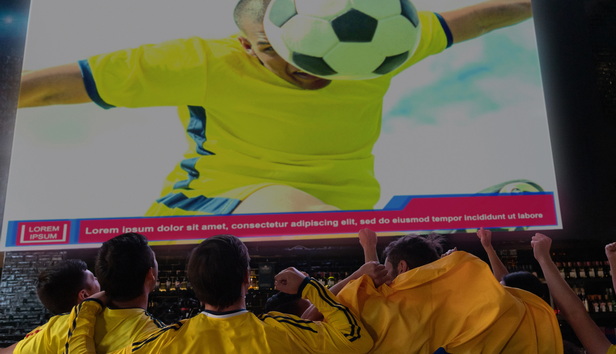
In June and July 2026, Washington State is expected to welcome an unprecedented influx of visitors drawn by the FIFA Men’s World Cup. While only Seattle will host live soccer matches, many local governments across the state are planning events and festivals that capture the excitement of the event and use it as a tool for community celebration.
At the same time, it is important to make sure these events do not violate the law, endanger attendees, or misappropriate trademarks. This blog will tailor recommendations specific to the World Cup, which requires unique considerations.
Sponsoring a Public Celebration: Staying Within Local Government Authority
Washington local governments may sponsor or co‑sponsor public celebrations when the event serves a valid municipal purpose and the agency’s role is clearly defined.
Agencies must avoid the gift of public funds prohibition to ensure that public funds are expended judiciously. For World Cup–adjacent events, an allowable municipal purpose could include:
- Fostering community cohesion,
- Revitalizing an area through increased tourism or economic activity,
- Promoting healthy living activities and local recreational opportunities, or
- Using the event to showcase local culture, music, and arts.
A How-To Guide to Sponsoring Summer Celebrations recommends that an agency adopt a resolution in support of any event it plans to host, co-host, or sponsor. This can be especially helpful in documenting the event’s purpose and the public benefit supporting any expenditures. See, for example, Resolution No. 40925 from the City of Tacoma, seeking a one-time request of funds to cover traffic-related services for the 2022 Daffodil Parade.
Agencies collaborating with partners should develop clear contracts outlining the agency’s responsibilities. Take, for example, Ordinance 126881, which details the contract Seattle entered into with the Seattle International Soccer Local Organizing Committee (SeattleFWC26) for 2026 World Cup planning and preparation.
Another example is the Olympia–Lacey Fan Zone, a partnership between Thurston County, the cities of Olympia, Lacey, and Tumwater, the Thurston County Chamber of Commerce (Chamber), and the Port of Olympia. The memorandum of understanding notes that the Chamber will serve as the fiscal agent and project manager for the fan zone while the Port of Olympia will host events and provide onsite security. It also outlines specific roles the cities and county will play in marketing and outreach, security, traffic control, and emergency management, as well as financial support pledged.
Planning for Safety, Liability, and Risk
World Cup‑themed festivals are likely to draw large crowds, increasing the importance of event planning and preparation. Agencies should adopt advanced detailed event plans that address staffing, security, vendor management, communications, and emergency response.
Key considerations include:
- Coordinating with law enforcement and emergency responders (and across jurisdictions, if needed).
- Conducting pre‑event and ongoing site inspections.
- Training staff and volunteers on incident reporting and emergency procedures.
- Reviewing insurance coverage, vendor requirements, and local site permitting.
- Creating back-up plans in the event of unpredictable weather conditions.
Seattle recently opened their emergency operations center for the World Cup to the press. On match days, the city will temporarily use street closures, parking restrictions, and a pause on construction in busy downtown areas to reduce congestion. Drones, CCTV cameras, and the robust presence of first responders throughout downtown during matches will help monitor and respond quickly to any emergencies.
Event Risk Management: A Straight-Forward Guide recommends the following steps when developing an event-specific risk management plan:
- Assess all potential risks at the appointed venue;
- Develop the risk management team (with clearly defined roles and responsibilities);
- Organize risks based on likelihood and potential impact; and
- Create a plan for risk mitigation that includes an emergency response plan and a post-incident communications plan (And, should an incident happen, conduct an analysis of the plan and how well it worked—or did not).
Planning ahead reduces exposure to liability and helps ensure the event remains safe and welcoming throughout its duration. For more information, see our blog on Summer Festivals and Risk Management.
Expanded Alcohol Service Areas
Legislation from 2025 allows local government to apply for temporary expanded alcohol services areas through the Washington State Liquor and Cannabis Board (LCB). While the focus was to permit expanded alcohol service in conjunction with World Cup-related events, such areas can also be used for events not associated with the World Cup.
Flannary Collins outlined the three types of authorizations—official fan zones and host city; city-based civic campuses; and public areas for cities, towns, counties, port authorities, and unincorporated areas in a county—in Ready for Kick Off? Washington Prepares to Welcome the Beautiful Game in 2026.
To apply for a temporary expanded alcohol services area, a local government must have:
- An active LCB portal.
- A site map of the locations of proposed expanded alcohol service area(s) with information indicating the locations of:
- barriers, public entrances, and structures, fire lanes, streets, alleys, or fencing;
- tents and temporary structures; and
- areas dedicated to vending, including food trucks, alcohol sales, and merchandise.
- An operating/joint operating plan that covers:
- parcel numbers, along with the entry width and barrier height requirements of the proposed expanded alcohol service area(s); and
- how the local government will supply security, sanitation, and crowd control within the proposed area(s).
Applications for city-based civic campus authorization must also supply a list of participating licensees (e.g., holders of special occasion licenses, etc.).
LCB has created templates and other resources to help jurisdictions apply for the new authorization, and it maintains a GIS map of approved expanded alcohol service areas.
Avoiding a Penalty, Protecting the Municipal Brand
FIFA maintains exclusive rights to its tournament names, logos, slogans, and host city marks. Non‑rights holders—including local governments—may not use official World Cup logos or certain terms/phrases in event names, marketing, hashtags, or signage without authorization. To avoid trademark violations, agencies are encouraged to:
- Use generic, descriptive phrases such as “International Soccer Celebration” or “Summer of Soccer.”
- Avoid graphics or wording that imply official affiliation.
- Keep messaging focused on hospitality and community rather than the tournament itself.
For an example of how this can be applied, see the Snohomish County Business Playbook, which offers recommended marketing approaches and taglines that fall within FIFA restrictions.
When hosting, co-hosting, or sponsoring events, local governments must also take care to protect their own logos, slogan, or taglines. Such products are important public assets that, if misused, could lead to public confusion and/or reputational harm
Agencies can protect these assets by adopting policies regulating their use. For example, Vancouver and Everett restrict special event sponsors from using the city logo or name in connection with the advertising or promotion of the event. Another example is the Spokane Valley Municipal Code Ch. 1.06, which details how, when, and under what circumstances the city logo may be used or displayed.
For more information and additional local examples, see Protecting Your Local Brand: Federal, State, and Local Strategies.
Creating a Successful and Compliant Celebration
Whether it is a single downtown watch party or a multi-day series, World Cup‑related events offer Washington communities a chance to showcase local culture and host a community-wide celebration. With thoughtful planning and clear guardrails, Washington jurisdictions can celebrate the world’s game while protecting the public interest at home.
Below are additional MRSC resources related to events, sponsorships, and public facilities:
MRSC is a private nonprofit organization serving local governments in Washington State. Eligible government agencies in Washington State may use our free, one-on-one Ask MRSC service to get answers to legal, policy, or financial questions.


