
Using Arts and Culture to Revitalize Downtowns
March 12, 2025
by
Lisa Pool
Category:
Parks, Recreation, and Cultural Programs
,
Downtown Revitalization Series
,
Special Events
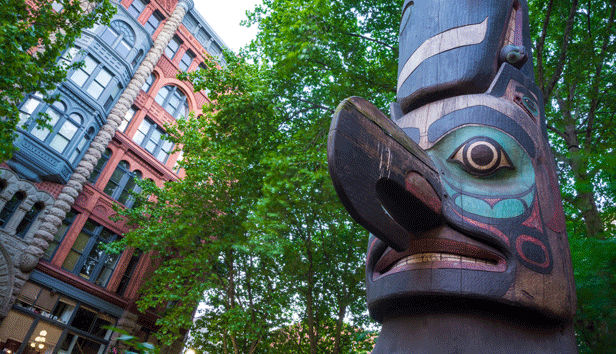
As cities continue on their post-COVID downtown revitalization journeys, many are looking to the arts and culture sector (e.g., museums, theaters, galleries, live music, pop up events) as one piece of the puzzle.
Arts and culture contribute to downtown revitalization by activating these spaces for locals and tourists alike, adding beauty, and contributing to a community’s sense of place and identity. While actions that boost housing and businesses bring more people downtown to shop, dine, and work, cities like Seattle are also looking to the arts to strengthen the local economy.
This blog examines how Washington cities can incorporate arts and culture into their downtown revitalization efforts, including through public art programs, creative and/or arts and cultural districts, and organized events that showcase local artists and musicians.
Public Art Programs
Public art programs include permanent collections, temporary installations, and special commissions. Local governments can partner with nonprofits to support a healthier and more vibrant art scene in their downtowns by providing funding and space or even publicizing events (In doing so, agencies should also be aware to avoid the gift of public funds prohibition).
For example, the Port of Kennewick partners with groups like the Historic Downtown Kennewick Partnership, the Kennewick Arts Commission, and other local artists and organizations on projects to:
...bring people and new businesses to east Kennewick, to add visual interest, to revitalize historic downtown, to highlight the riverfront environment, and to honor the culture and heritage of the diverse peoples of this region.
One such project is the Clover Island Gateway Arch, which defines the island’s entryway and denotes its synergistic relationship with the city’s historic downtown.
Often an arts commission supervises the acquisition, maintenance, and display of these collections. For example, Edmonds' Public Art Program, which includes over 65 outdoor installations and over 150 portable works, is guided by the Edmonds Arts Commission. Its Flower Basket and Corner Park Program beautifies downtown streets from May-September.
Bellingham’s public art collection includes over 84 pieces of outdoor public artwork, which are also viewable through an online interactive sculpture tour. Through requests for qualifications, the city solicits qualified artists and artist teams to design, fabricate, and install artwork in various locations, including downtown traffic boxes. The city also has a One Percent for the Art Program, requiring one percent of eligible capital improvement project costs go toward integrating artwork into projects.
In addition to one percent for the arts, local governments can also fund programs through a Cultural Access Program levy and/or lodging and sales taxes. Such funding mechanisms and examples of local communities implementing these are discussed on our Arts and Cultural Programs webpage.
Creative Districts
Any county, city, town, or coalition of entities may apply to the Washington State Arts Commission (ArtsWA) to have a geographic area designated as a "creative district" under RCW 43.46.100-.115. Creative district designation can help communities access new resources (including funding) and foster a supportive climate for arts and culture. ArtsWA’s Washington State’s Creative Districts webpage lists 18 designated creative districts, which, in many cases, either encompass or include a portion of a city’s downtown.
Earlier this year, operation of the Port Townsend Creative District transferred from the Port Townsend Main Street Program to the city. The district, which encompasses downtown, uptown, and Fort Worden, was the fifth to be designated in 2020. The Port Townsend Creative District Arts and Culture Plan provides a five-year blueprint for the district’s activities in support of the city’s creative economy.
The downtown area of Edmonds was the state’s first certified creative district. The city’s five-year plan includes goals related to growing the creative sector, enhancing public engagement, growing jobs, and more. The district includes a variety of arts and culture events and venues, such as theaters, museums, galleries, restaurants and breweries, art shops, performance venues, and art installations.
Located in downtown Winslow, the Bainbridge Creative District encompasses several venues, including an art museum, performing arts center, several galleries, and artisan resource center. It hosts events like a bi-annual studio tour, monthly First Friday Art Walk, Moonlight Market (first Fridays in summer), Saturday Farmer’s Market, and Asian Arts & Heritage Festival.
Another creative district that includes a downtown area is South Columbia Creative District (SOCO), composed of key community anchors like Keewaydin Park, the Historic Downtown Kennewick business core (an accredited Main Street community), Columbia Gardens, and more. SOCO houses at least 24 public art pieces ranging from murals and sculptures to art-wrapped utility boxes. Of the 140 businesses located within the Historic Downtown Kennewick business core, about half are considered creative industries in the North American Industry Classification System (NAICS).
Dedicated Arts and Cultural Districts
Some communities have developed dedicated arts and cultural districts, which have some of the same features as creative districts (museums, galleries, cultural events), but are not state certified. For example, Bellevue’s BelRed Arts District, which has been in place since 2009, includes public art projects like the BelRed Mural Program, utility box wraps, and light rail station art. The district is guided by a five-year implementation plan that includes four focus areas — management, visibility, creative space, and connection.
Establishing a public facility district (PFD) is one way to develop cultural facilities in downtowns. PFDs may impose taxes, fees, and charges to develop and operate sports, entertainment, convention, and recreational facilities, and/or regional centers. Examples include the Spokane Performing Arts Center, the ShoWare Center in Kent, and the REACH Museum in Richland.
Local Arts Events and Cultural Spaces
Events like art walks and outdoor concerts and festivals give local artists/musicians the opportunity to perform for a broader audience, increase the vibrancy of downtown, and provide a positive and fun environment for the community.
For two years, Redmond has partnered with local businesses and artists to highlight downtown area arts and organizations through an annual art walk. The event includes public art installations and performances in Downtown Park, as well as performances/art hosted by partners throughout the city.
Another approach is to host several artists in a single location. Sponsored by the Bellevue Downtown Association, the Downtown Arts Market brings together the work of over 120 artists, including sculpture, jewelry, home décor, woodworking, and more.
Some art walks, like the Children’s Art Walk in Bellingham, are geared toward youth. Hosted by the Allied Arts of Whatcom County during the first two weeks of May, the event features over 50 downtown businesses exhibiting work created in schools throughout the county.
The Downtown Bellingham Partnership, a nonprofit accredited with the Washington Main Street Program, hosts First Fridays, a wine walk, and other events, like a block party and holiday celebrations. Using lodging tax proceeds, Bellingham funds Downtown Activation and Beautification projects focused on activating public streets, sidewalks, and other public spaces to attract visitors and promote pedestrian-friendly experiences. Projects include block parties, busking, performances, festivals, and more. Lodging tax revenues also fund an annual Procession of the Species, which coincides with Earth Day and features crafts, a costume procession through downtown, and a public festival. Olympia also hosts a Procession of the Species that coincides with their spring Arts Walk each April.
Outdoor concerts and festivals are another way to bring the community together, promote downtown and its businesses, and highlight local musicians. For example, Walla Walla hosts free live music every Saturday during the summer months in Heritage Square. Kirkland sponsors evening and kids’ concerts in July and August, and some multi-day festivals — like Vancouver’s Arts and Music Festival, which includes multiple stages, juried art shows, pop-up galleries, dance performances — take concerts to the next level.
Some communities don’t stop at just music. Ellensburg hosts an annual street music performance festival, Buskers in the Burg, that includes puppets, street performers, music in the park, and other activities. The family-friendly Fire & Story Festival occurs each winter on the downtown Bellingham waterfront. The event, which includes wood burning fires, music, storytelling, glassblowers, metalsmiths, and a sauna village, receives support from the port and city and is organized by the nonprofit Paper Whale.
Conclusion and Resources
Arts and culture may not always come to mind as part of a community’s downtown revitalization efforts, but they shouldn’t be overlooked. Incorporating these features into your downtown doesn’t have to require big budgets and lots of staff; rather, agencies can scale their effort through pop-up art events and other temporary projects that can evolve into more regular events and permanent installations if successful. Every community has a story to tell and people willing to tell it, so take time to invest in and highlight what makes your community unique.
Here are some additional resources:
- MRSC: Historic Preservation — Though not covered in this blog, it is important to include in cultural preservation efforts.
- SPUR: How Arts and Cultural Strategies Can Revitalize Downtowns - Q&A with Erika McLitus and Sujata Srivastava
MRSC is a private nonprofit organization serving local governments in Washington State. Eligible government agencies in Washington State may use our free, one-on-one Ask MRSC service to get answers to legal, policy, or financial questions.

About Lisa Pool
Lisa Pool joined MRSC in June 2021. Most recently, she served as a senior planner for Bellingham. In this role, she primarily focused on long-range planning projects, including the city’s comprehensive plan and new housing regulations. Prior to moving to Bellingham, she worked on regional sustainability and transportation issues for a metropolitan planning organization and conducted development review for cities and counties in the Midwest.
Lisa holds a Bachelor of Arts in environmental policy and a Master of Urban Planning, both from the University of Kansas in Lawrence. She has been a member of the American Institute of Certified Planners since 2009.


